January 4, 2026
The roof is one of the most critical components of any home, acting as the primary shield against weather, pests, and environmental damage. Keeping your roof in optimal condition is not only essential for protecting your family and belongings but also for avoiding costly repairs or emergency replacements. Roof problems can arise for a variety of reasons, including age, wear and tear, weather damage, or improper installation.
Recognizing the signs that indicate a roof replacement is necessary, understanding the types of roofing materials and their lifespans, evaluating costs, and planning appropriately are key steps in maintaining a safe and durable home. According to This Old House, the U.S. roofing contractors industry is projected to reach approximately 76.4 billion U.S. dollars in revenue by the end of 2025, reflecting both the demand and importance of professional roofing services in modern homes.
Recognizing the Need for a Roof Replacement
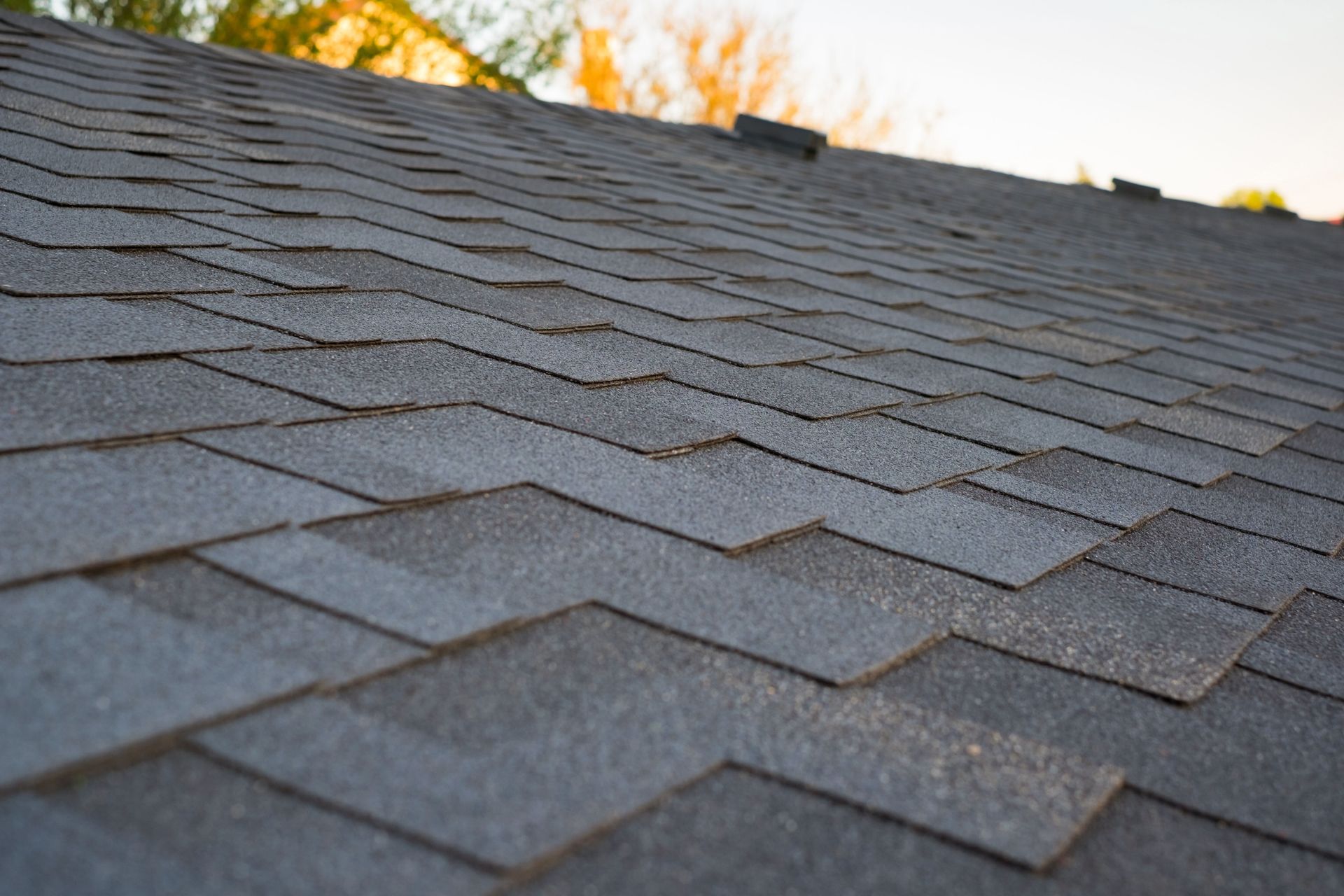
One of the first indicators that your roof may need attention is visible shingle damage. Shingles serve as the primary barrier against rain, wind, and other weather elements, and damage such as curling, cracking, or missing shingles can compromise your roof's protective capabilities. Even small areas of damage can allow water to seep in, leading to leaks, mold growth, or structural deterioration over time. Regular inspection, particularly after heavy storms or extreme weather, can help detect early signs of wear and prevent minor issues from escalating into major problems that require a full roof replacement.
Leaks and water damage are other obvious signs that a roof replacement may be necessary. Ceiling discoloration, water stains, or damp spots along walls can indicate compromised roofing materials. Ignoring leaks can result in extensive damage to the interior of your home, including weakened structural components and mold infestations that pose health risks. Addressing these problems promptly not only preserves your home's integrity but can also reduce long-term repair costs. Similarly, the presence of moss, mold, or rot on the roof surface signals trapped moisture that accelerates material degradation. Moisture retention can compromise both the aesthetics and structural strength of your roof, making timely cleaning, treatment, and eventual replacement critical for home safety.
The age of the roof is also a significant factor. Most roofing materials, from asphalt shingles to wood shakes, have defined lifespans, after which their protective ability diminishes significantly. A roof exceeding its expected service life—even without visible damage—may still be vulnerable to leaks or structural failures. Additionally, a sagging roof or noticeable dips in the structure are serious warning signs of underlying issues, such as weakened framing or accumulated moisture. Ignoring these problems can lead to catastrophic failures and the need for an emergency roof replacement. Routine inspections and understanding your roof's expected lifespan are essential preventative measures that can save homeowners from sudden and costly repairs.
Understanding Roofing Materials and Lifespans
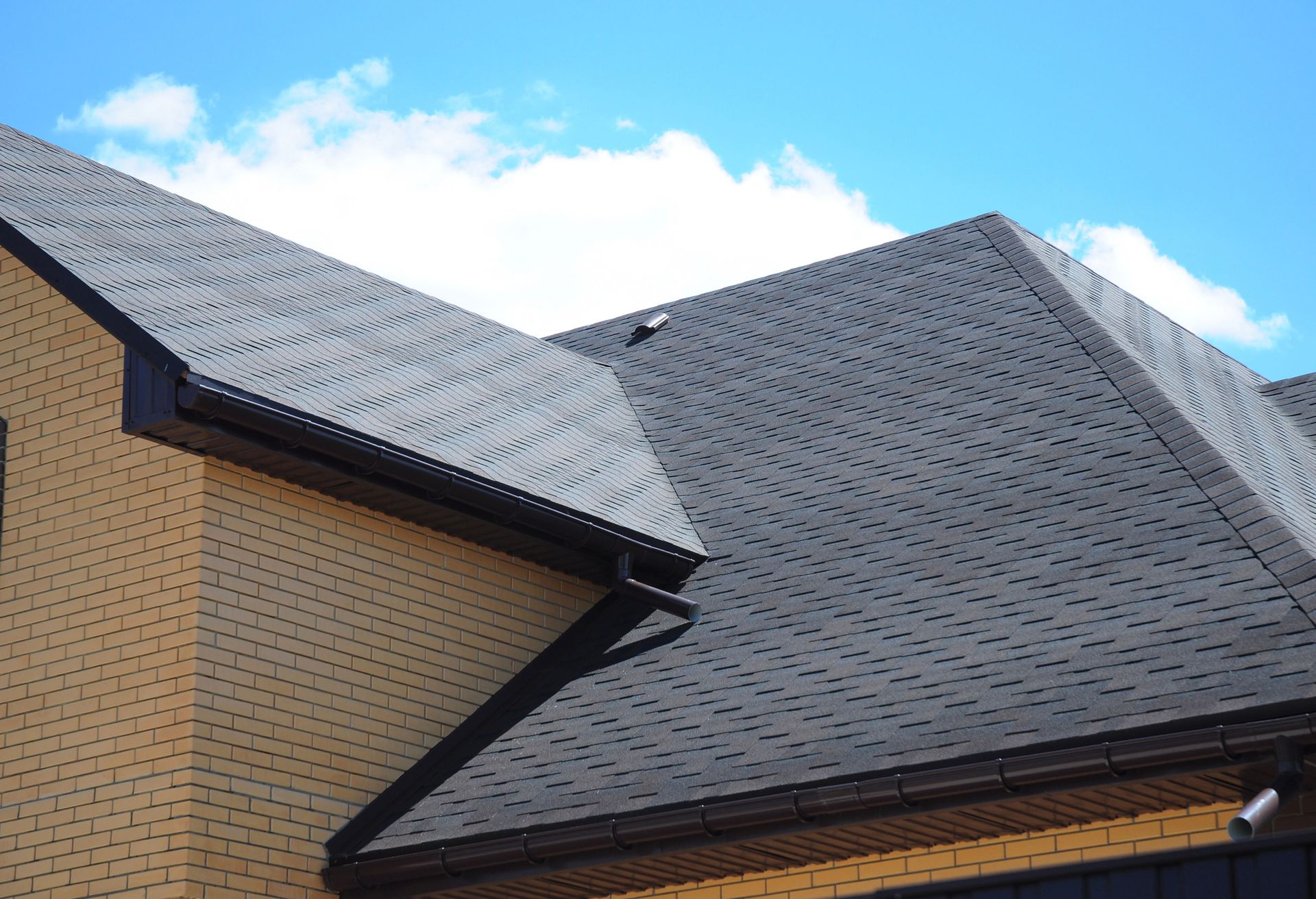
When planning a roof replacement, selecting the right material is just as important as recognizing the need for the project. Asphalt shingles are among the most popular roofing materials due to their affordability and ease of installation. They typically last 20 to 30 years, depending on the climate and maintenance. Over time, asphalt shingles can lose granules and become brittle, necessitating replacement to maintain the roof's protective capabilities. Metal roofing, on the other hand, offers superior durability and can often last 50 years or more. Although initially more expensive, the longevity and resistance to harsh weather make metal roofs a cost-effective option over time. Metal roofs also provide environmental benefits, often containing recycled materials and being fully recyclable at the end of their life.
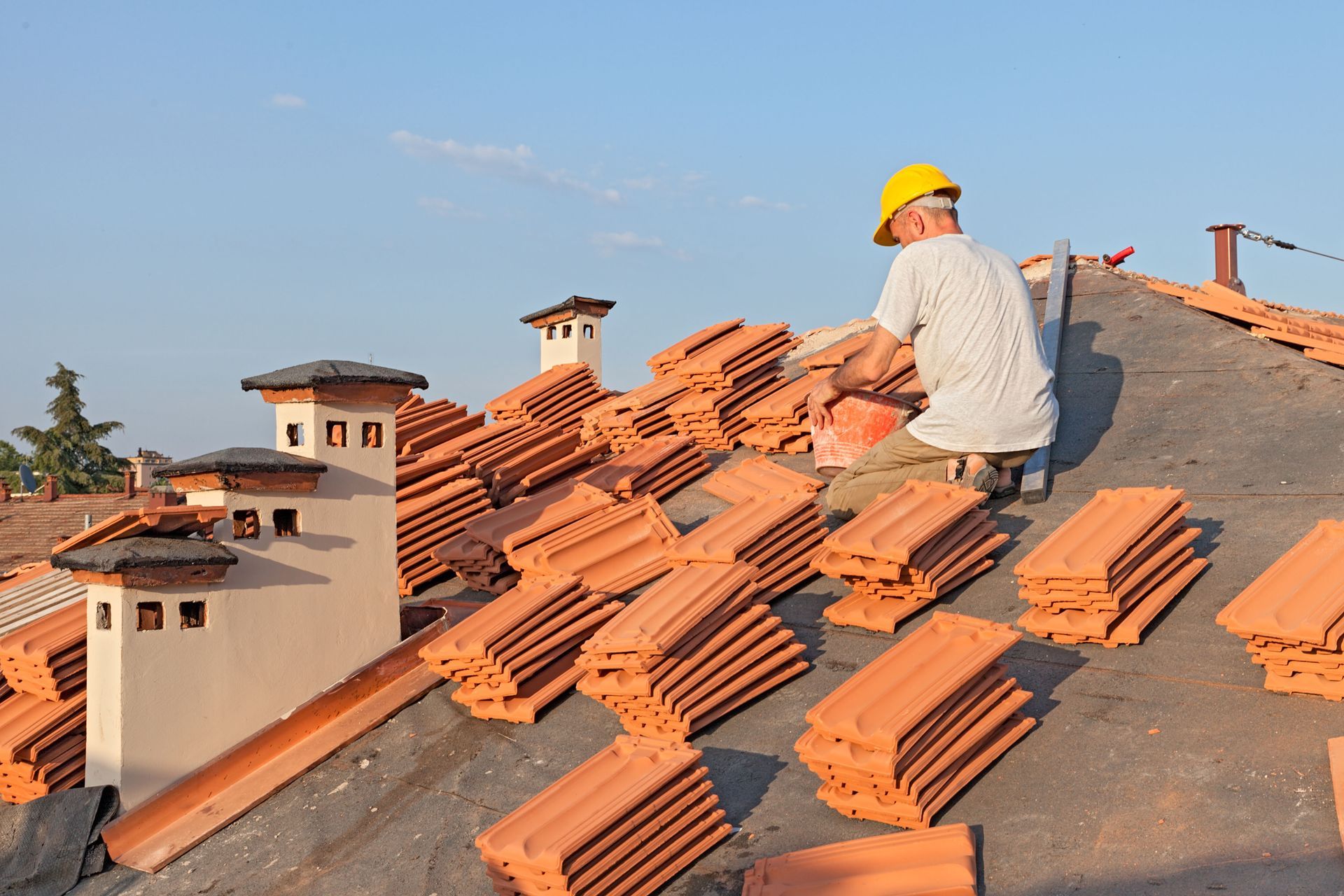
For homeowners seeking long-lasting and visually striking options, slate and tile roofs are among the most durable choices, sometimes lasting more than a century. Their resistance to extreme weather and fire hazards makes them ideal for certain climates, though they require strong structural support due to their weight.
Evaluating Costs and Planning for a Roof Replacement
The cost of a roof replacement depends on several factors, including materials, labor, and long-term maintenance. Asphalt shingles are generally the most cost-effective option, while metal, slate, or tile may carry higher upfront expenses but provide greater longevity. Installation costs vary with roof complexity and contractor rates, and professional installation ensures the roof performs correctly and avoids potential warranty issues. While DIY installation may seem appealing to save money, mistakes can lead to water infiltration, reduced material life, and safety risks. A careful cost-benefit analysis helps homeowners balance initial expenses against long-term value, factoring in maintenance requirements, expected lifespan, and potential resale value impact.
Financial assistance and incentives can also make a roof replacement more manageable. Energy-efficient roofs may qualify for government grants or tax credits, and some roofing contractors offer financing options that allow homeowners to spread the cost over time. Additionally, preventative maintenance, including seasonal inspections and minor repairs, can extend the lifespan of existing roofing materials and reduce the urgency of a full replacement. Proactive planning allows homeowners to schedule a roof replacement at the optimal time, avoid emergency repairs, and manage costs more effectively.
Choosing the Right Roofing Material and Contractor
Selecting a roofing material should consider climate, aesthetics, durability, and environmental impact. In regions with heavy precipitation or snow, metal and slate roofs provide excellent protection and longevity. Asphalt shingles offer flexibility in design and cost, while wood shakes and tile roofs cater to specific architectural preferences. Environmental considerations are increasingly important; recyclable and sustainable materials reduce long-term ecological impact. Manufacturers' warranties and reputations also influence long-term satisfaction, as a strong warranty ensures coverage against premature material failures.
Hiring a qualified roofing contractor is just as crucial as selecting the right materials. Licensed, insured, and experienced professionals ensure proper installation and adherence to building codes. With the U.S. roofing industry projected to generate approximately $76.4 billion by 2025, homeowners have access to many contractors, making careful selection essential. Checking references, reading reviews, and verifying credentials helps secure reliable services and a smooth roof replacement experience. Properly vetted professionals provide peace of mind, quality workmanship, and adherence to warranty terms.
Maintaining Your Roof to Extend Its Life
Routine maintenance plays a critical role in delaying the need for a roof replacement. Regular inspections, particularly after storms, can identify early signs of damage, including missing shingles, small leaks, or debris accumulation. Seasonal maintenance, such as clearing gutters, trimming overhanging branches, and addressing minor repairs, ensures the roof remains in optimal condition. Protective coatings and treatments can add further resilience against UV damage, moisture, and mold, prolonging the lifespan of roofing materials. By staying proactive with inspections and upkeep, homeowners can avoid premature replacement and preserve both the safety and value of their property.
A roof replacement is a significant investment that safeguards your home's structural integrity, aesthetic appeal, and long-term value. Recognizing warning signs, understanding material options, evaluating costs, selecting reputable contractors, and maintaining the roof proactively all contribute to a successful and efficient replacement process. By taking a strategic and informed approach, homeowners can ensure their roofs provide lasting protection, resist damage, and enhance the overall beauty of their property. Timely
roof replacement not only prevents emergency repairs but also supports energy efficiency, safety, and peace of mind. Don't wait until minor issues become major problems—consult a professional roofer today to evaluate your roof's condition and plan your next roof replacement with confidence.