October 1, 2026
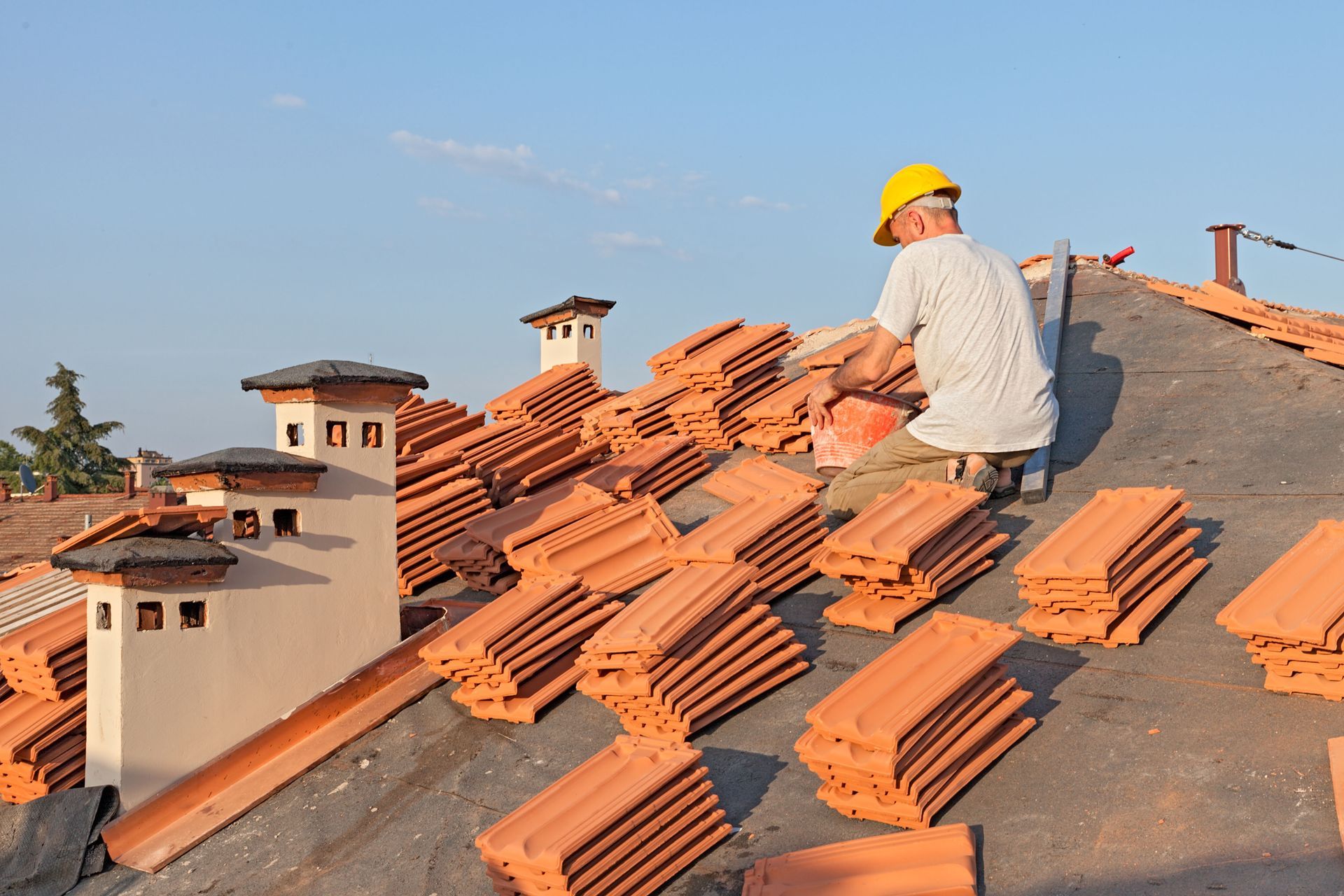
Replacing a roof is a significant property investment, and the decisions made before and during the project can influence how well the finished system performs. Materials, ventilation, flashing, decking, installation practices, and contractor selection all matter. During local roof replacements, overlooking one of these areas can lead to unnecessary repairs, moisture problems, or reduced roof performance later. Taking time to evaluate the entire roofing system can also help homeowners avoid making decisions that solve an immediate concern while leaving another weakness unaddressed.
Replacement projects also represent a large portion of roofing work. According to BCC Research, 94% of roofing projects completed in North America involve roof replacements. With replacement so common, homeowners benefit from knowing which mistakes can affect a project and what professional contractors do to avoid them. The following seven issues deserve particular attention when planning a new roofing system.
Planning the Replacement Carefully
1. Choosing a Contractor Based Only on Price
The lowest estimate does not necessarily provide the strongest overall value. Roofing proposals can differ in materials, underlayment, flashing, ventilation, cleanup, warranties, and preparation. Comparing the complete scope of work helps homeowners determine what each contractor actually includes instead of making a decision based only on the final number. A proposal that initially costs less can become less appealing if important components or services have been excluded.
Reviewing Relevant Roofing Experience
Contractors should have experience working with the roof type and materials being considered. A company familiar with similar local roof replacements can account for common weather conditions, installation requirements, and property-specific challenges that affect the project.
Reviewing Insurance and Credentials
Homeowners should understand what licensing, insurance, and other business requirements apply locally. Professional contractors should be prepared to provide relevant information and answer questions about how the project will be managed. Verifying these details before signing an agreement can provide additional clarity about who will be responsible for the work.
Reviewing the Written Scope
A detailed agreement should identify materials, installation work, cleanup, and other important project elements. Clear documentation reduces uncertainty and gives homeowners a better basis for comparing proposals before work begins.
Preparing the Existing Roof Properly
2. Ignoring the Condition of the Roof Deck
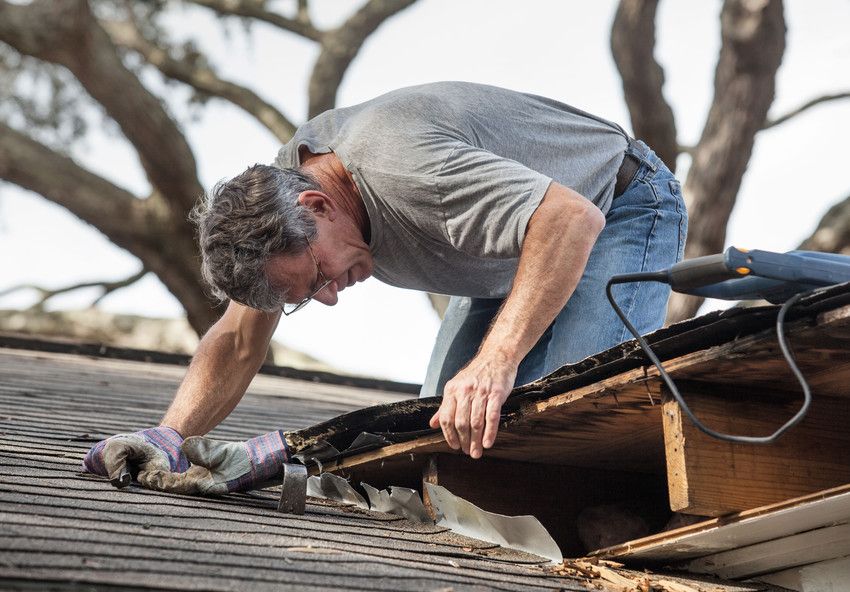
The roof deck forms the structural surface beneath roofing materials. If moisture, rot, or deterioration is present, simply covering it with new materials does not correct the underlying problem. Professional evaluation during local roof replacements can identify damaged decking that requires attention before the new system is installed.
Inspecting for Hidden Moisture Damage
Leaks can affect areas that are not visible until old roofing materials are removed. Staining, softened wood, or deterioration around penetrations can reveal problems that should be addressed before installation continues. Identifying these conditions while the roof is exposed gives contractors an opportunity to address them before they are covered again.
Inspecting Roof Edges and Fascia
Roof edges can experience moisture exposure and deterioration over time. Examining fascia, sheathing edges, and surrounding components can reveal damage that might otherwise remain hidden beneath finished materials.
Inspecting Previous Repair Areas
Older patches or repaired sections deserve careful review. The underlying material may have changed since the previous work was completed, making it important to verify that the area remains structurally suitable for the replacement system.
Protecting Vulnerable Roof Areas
3. Reusing Deteriorated Flashing
Flashing helps control water around chimneys, walls, valleys, vents, and other transitions. Reusing worn or damaged flashing can create weak points in an otherwise new roof. Local roof replacements should include careful evaluation of these areas, so deteriorated components are not left beneath new materials.
Inspecting Chimney Connections
Where roofing meets a chimney, proper flashing is critical. Gaps, corrosion, or previous patching can create routes for moisture. Professional installation should account for these transitions as part of the complete roofing system. Because these areas experience repeated exposure to runoff, small weaknesses can become significant sources of leakage over time.
Inspecting Valleys and Wall Intersections
Roof valleys carry significant amounts of runoff, while wall intersections create natural transition points. Both areas require appropriate detailing because water tends to concentrate there during rain.
Inspecting Vent and Pipe Penetrations
Plumbing vents, exhaust vents, and other roof penetrations require properly fitted flashing. These components should be evaluated during replacement rather than assumed to remain suitable simply because they are already present.
Supporting Proper Roof Performance
4. Overlooking Attic Ventilation
A new roof does not perform independently from the attic below it. Inadequate ventilation can contribute to excess heat and moisture, affecting comfort and roofing materials. Contractors handling local roof replacements should evaluate whether intake and exhaust ventilation work together appropriately.
Reviewing Intake Ventilation
Intake vents allow outside air to enter the lower portions of the attic. If these openings are blocked or insufficient, the ventilation system may not move air as effectively as intended. Balanced airflow can help manage attic conditions throughout changing seasons and support the overall roofing system.
Reviewing Exhaust Ventilation
Exhaust vents allow warmer, moisture-laden air to leave the attic. Ridge vents, roof vents, or other systems need to be properly sized and coordinated with available intake ventilation.
Reviewing Insulation Conditions
Insulation and ventilation serve different purposes but interact within the attic. Professional evaluation can identify conditions such as blocked soffit vents or misplaced insulation that interfere with normal airflow.
Selecting Materials for the Property
5. Choosing Roofing Materials Based Only on Appearance
Color and style matter, but roofing materials should also reflect climate, roof slope, maintenance expectations, and structural conditions. A contractor experienced with local roof replacements can explain how different products perform and which options are appropriate for a specific property.
Comparing Material Durability
Different roofing products have different expected service lives and performance characteristics. Comparing these factors helps homeowners consider long-term value rather than focusing only on initial appearance. Wind resistance, impact performance, weight, and maintenance expectations can also influence whether a particular material fits the property.
Comparing Warranty Requirements
Manufacturer warranties can include specific installation and maintenance requirements. Homeowners should understand what is covered and what conditions must be met for the warranty to remain applicable.
Comparing Architectural Compatibility
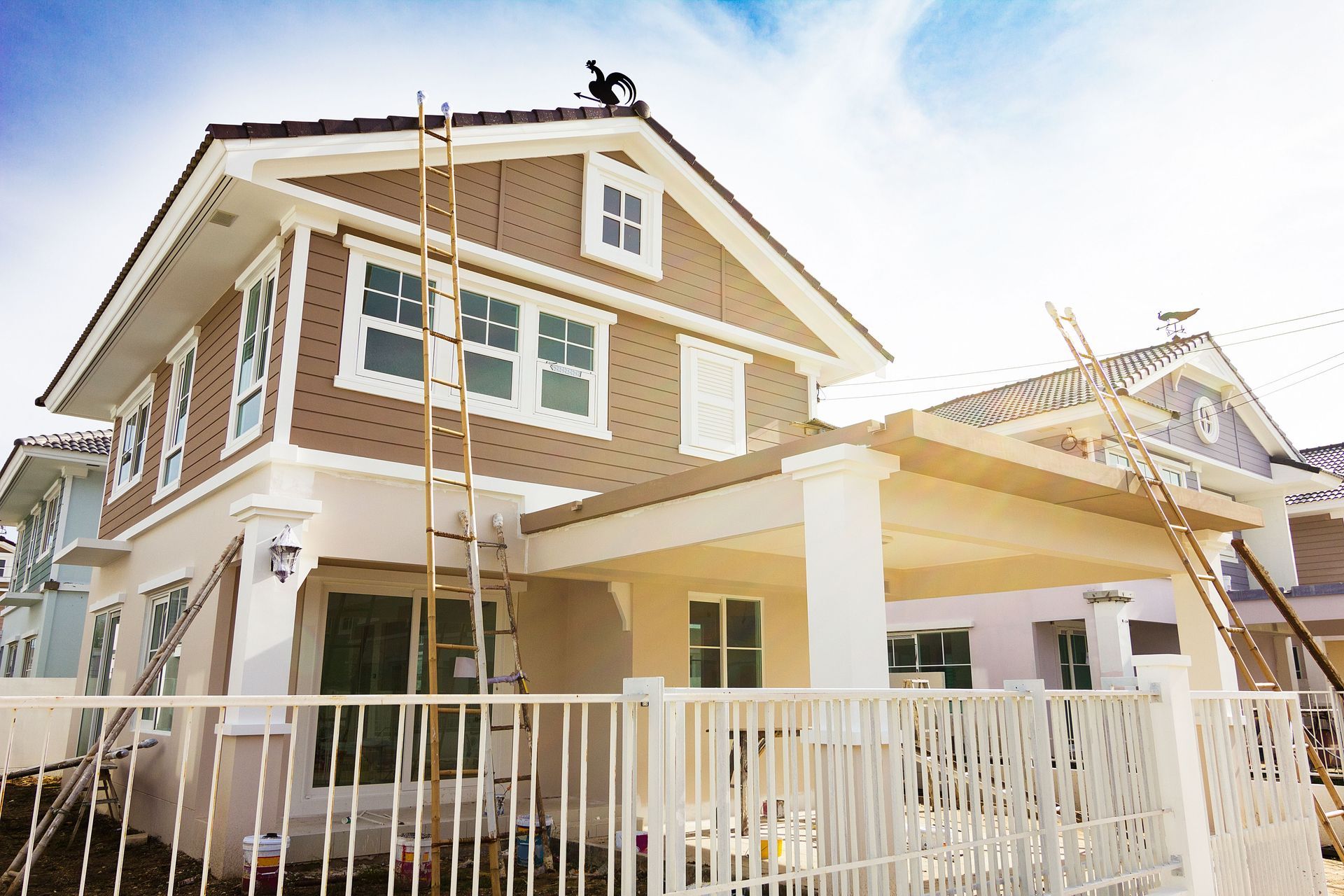
The new roof should complement the home's design while meeting practical requirements. Color, texture, profile, and material style can all influence curb appeal and how naturally the roof fits the property.
Finishing the Replacement Correctly
6. Rushing the Final Inspection
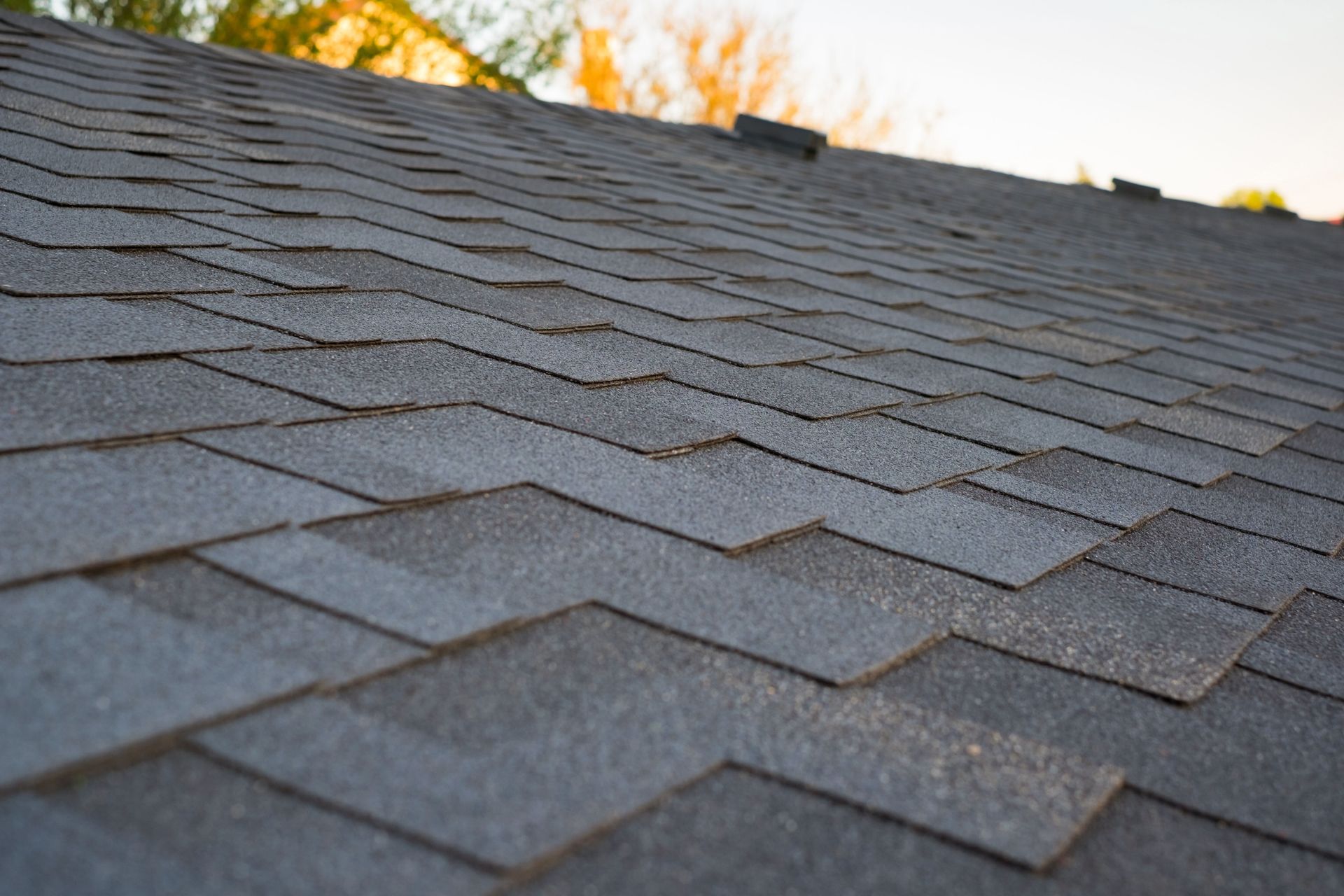
Finishing installation does not mean the project should end immediately. Local roof replacements should include a final review of shingles or other materials, flashing, vents, edges, penetrations, and cleanup. A thorough inspection can identify details that deserve correction before the project is considered complete.
7. Neglecting Long-Term Maintenance Planning
Even a newly installed roof requires attention over time. Homeowners should know what warning signs to watch for, when inspections are appropriate, and what maintenance the roofing material requires. Planning ahead makes it easier to protect the investment rather than waiting until obvious damage develops. Keeping a record of inspections and repairs can also make it easier to monitor changes in roof condition over the years.
Reviewing Cleanup and Property Condition
Roof replacement generates old materials, fasteners, packaging, and other debris. Professional cleanup should include the roof perimeter, driveway, landscaping, and other work areas so the property is left orderly once construction is complete.
Reviewing Project Documentation
Homeowners should retain contracts, warranties, product information, and other records after installation. These documents can be useful if future maintenance, warranty questions, or property sales require information about the roofing system.
A successful roof replacement depends on much more than installing new shingles or another finished material. Contractor selection, decking condition, flashing, ventilation, product choice, final inspection, and future maintenance all influence long-term performance. Avoiding these seven common mistakes can help homeowners approach local roof replacements with clearer expectations and make better-informed decisions throughout the project. For professional evaluation and replacement planning, contact Empire Roofing and Construction today to discuss your roofing needs and schedule service.