November 4, 2026
A house provides shelter against harsh weather conditions. The roof serves as the core of this protection. Constant exposure to sun, rain, and wind degrades building materials. Property owners must monitor these structures to prevent interior damage. Ignoring subtle degradation leads to structural failures. Maintaining a solid barrier requires proactive property management. A well-maintained property retains value and ensures occupant safety.
Addressing degradation in its infancy prevents minor issues from becoming massive financial burdens. Understanding the mechanics of structural upkeep removes the mystery from the process. Knowledge empowers residents to make informed decisions regarding property upgrades. Proper planning turns stressful situations into manageable home improvement projects. Initiating necessary roof repairs at the right time extends the lifespan of the building. Property preservation hinges on prompt interventions.
Identifying Common Damage Signs
Visual inspections reveal crucial information regarding structural health. Discoloration on interior ceilings indicates moisture penetration. Water stains serve as an indicator of a compromised barrier. Residents noticing dark spots above their living spaces must act without delay. Moisture travels along framing members before staining drywall. Unchecked water intrusion promotes mold growth and rots wooden supports.
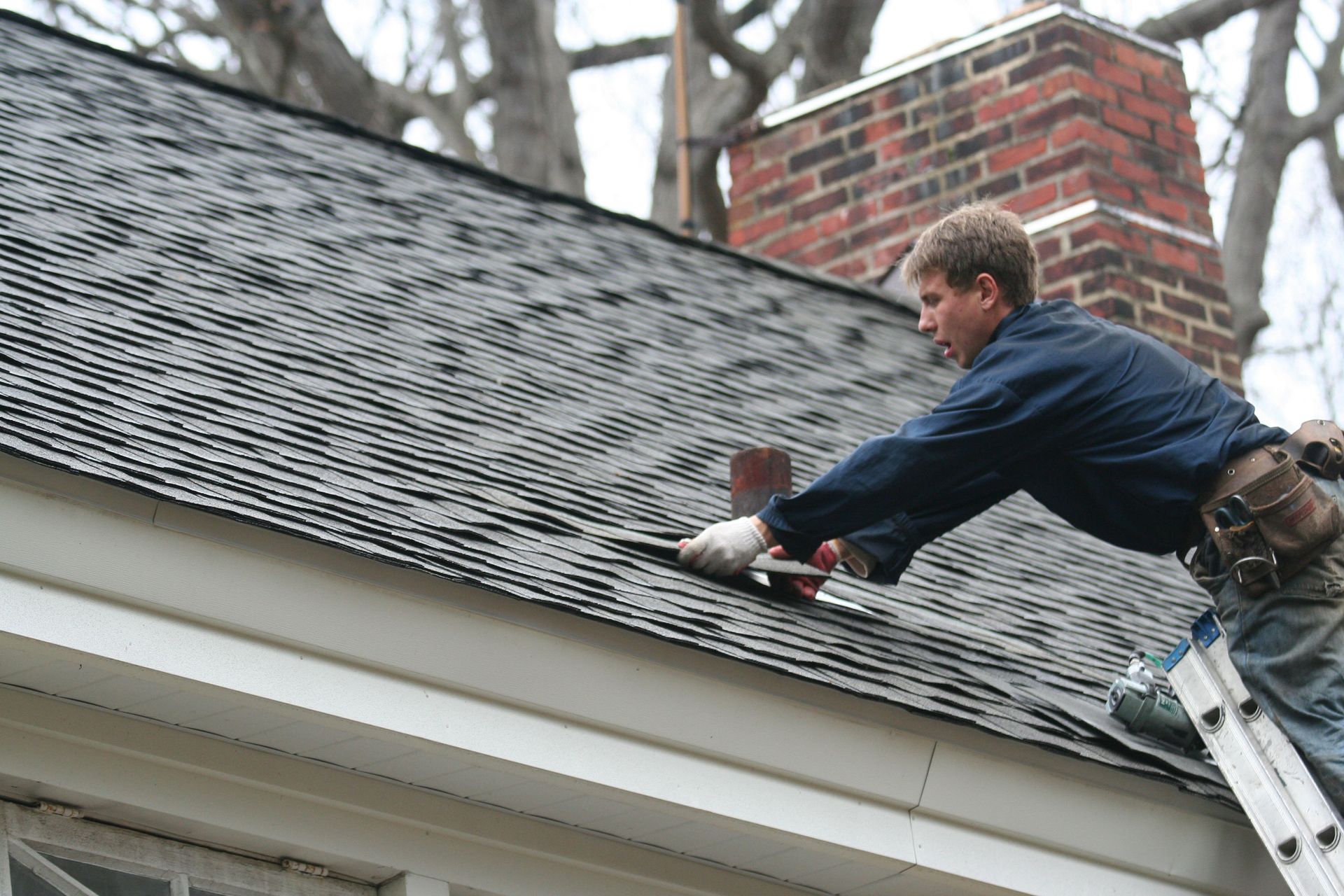
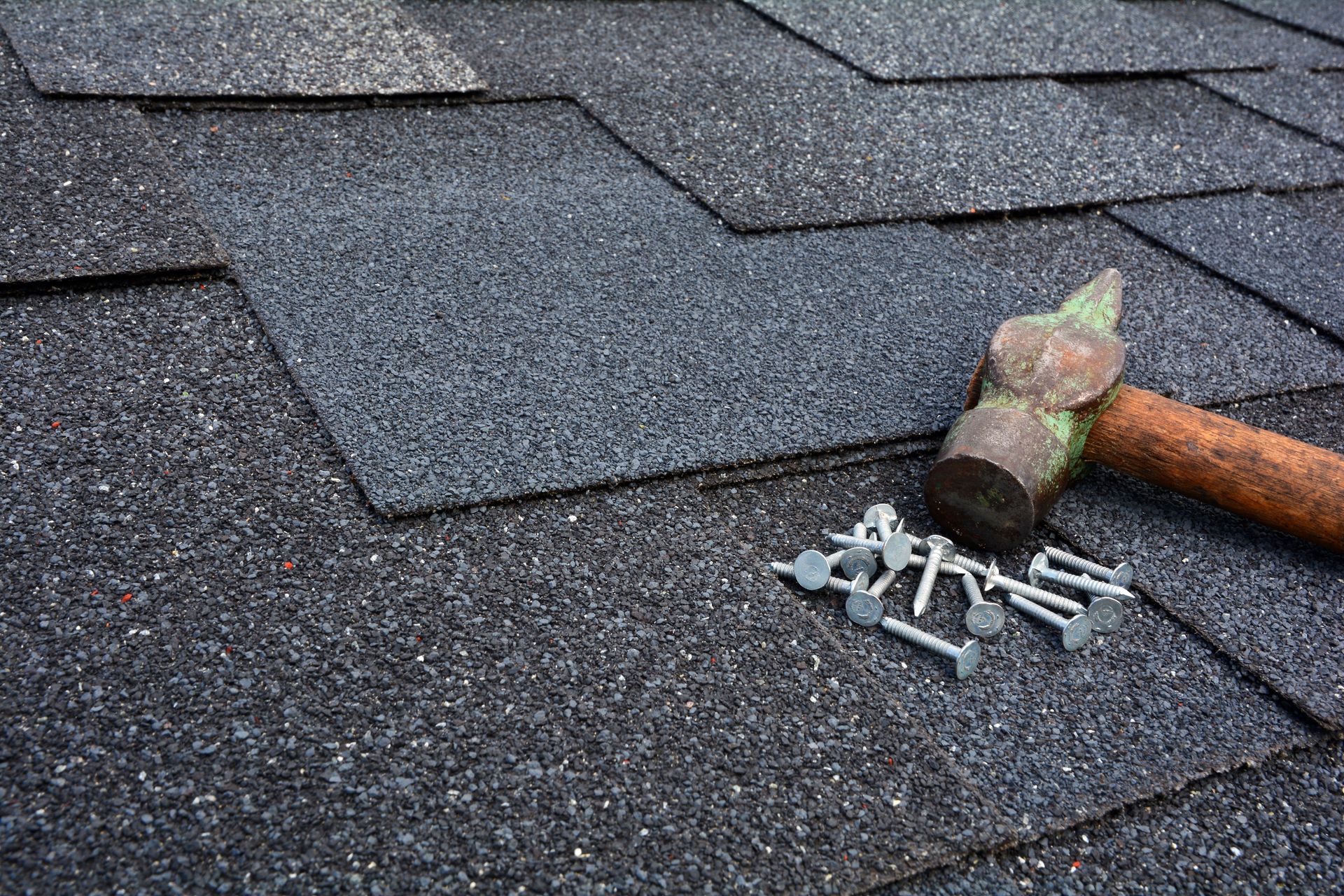
Exterior evaluations offer clues regarding material fatigue. Shingles curling at the edges signal the end of their functional lifespan. Missing surface pieces expose the sensitive underlayment to elemental exposure. Brittle materials crack under minimal pressure and lose their waterproofing capabilities. Homeowners examining the exterior should look for irregular textures. Sunken areas indicate rotting decking boards. Addressing visible defects prevents deterioration.
Gutter systems accumulate debris during storm seasons. Finding large quantities of colored granules in drainage channels points to material breakdown. Asphalt shingles rely on these granules for ultraviolet protection. Bare spots leave the asphalt vulnerable to rapid sun degradation. Routine gutter cleaning provides an opportunity to monitor this granular shedding. Excessive accumulation warrants immediate attention from skilled tradespeople.
Sometimes the structural geometry itself indicates failure. Sagging structural profiles represent severe mechanical distress within the framing. A dipping ridge suggests compromised rafters or inadequate structural support. Properties exhibiting distorted profiles require immediate structural assessments. Heavy snow loads or prolonged moisture exposure weaken the wooden framework over time. Prompt roof repairs stabilize the home before catastrophic collapse occurs.
Understanding Available Material Options
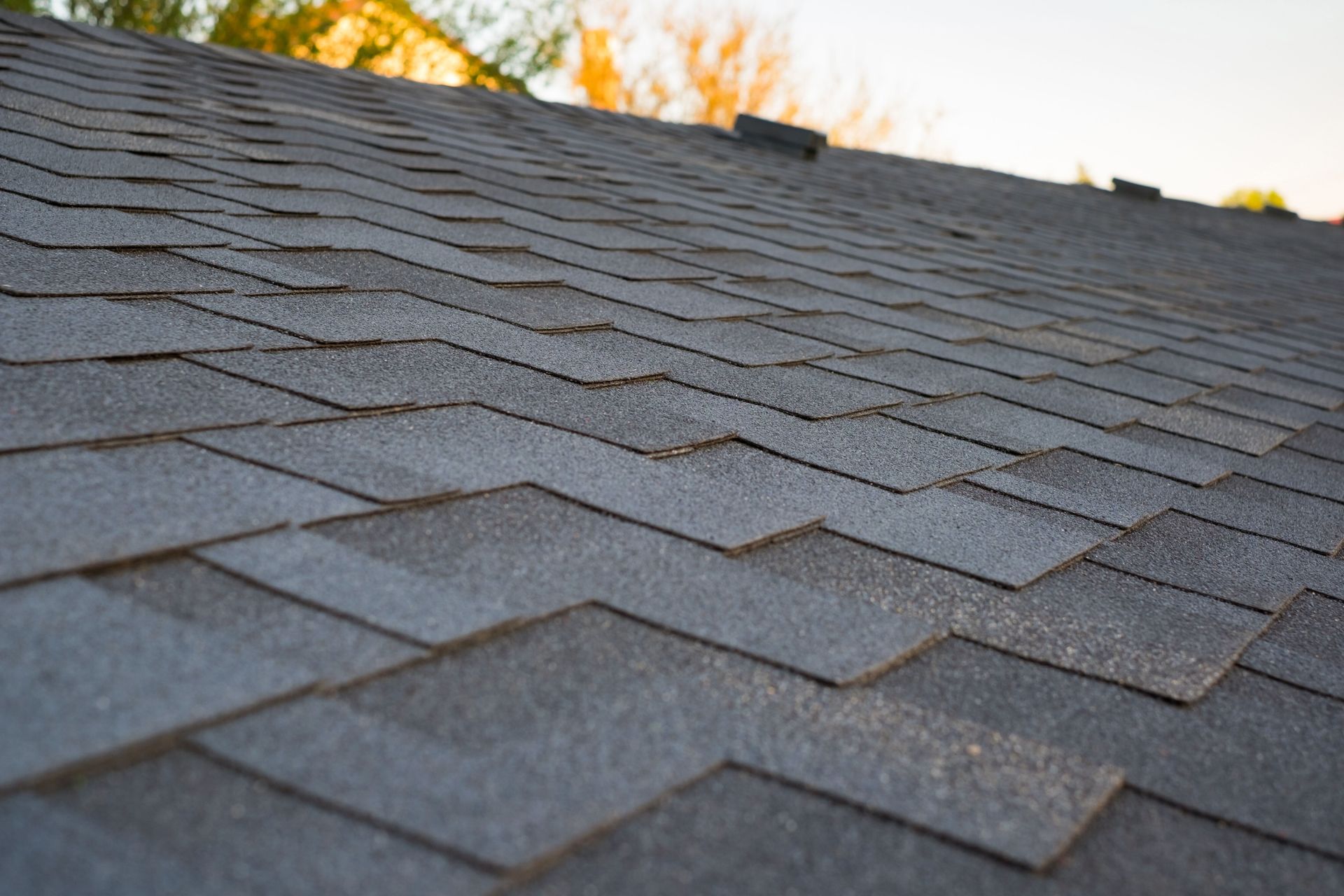
Selecting replacement components dictates the longevity of the new installation. Traditional asphalt shingles dominate residential markets due to affordability and widespread availability. Manufacturers produce these shingles in diverse colors to match any architectural style. These basic components offer reliable protection for average climates. Extreme weather environments might necessitate alternative material selections. Property owners balancing budget constraints choose asphalt.
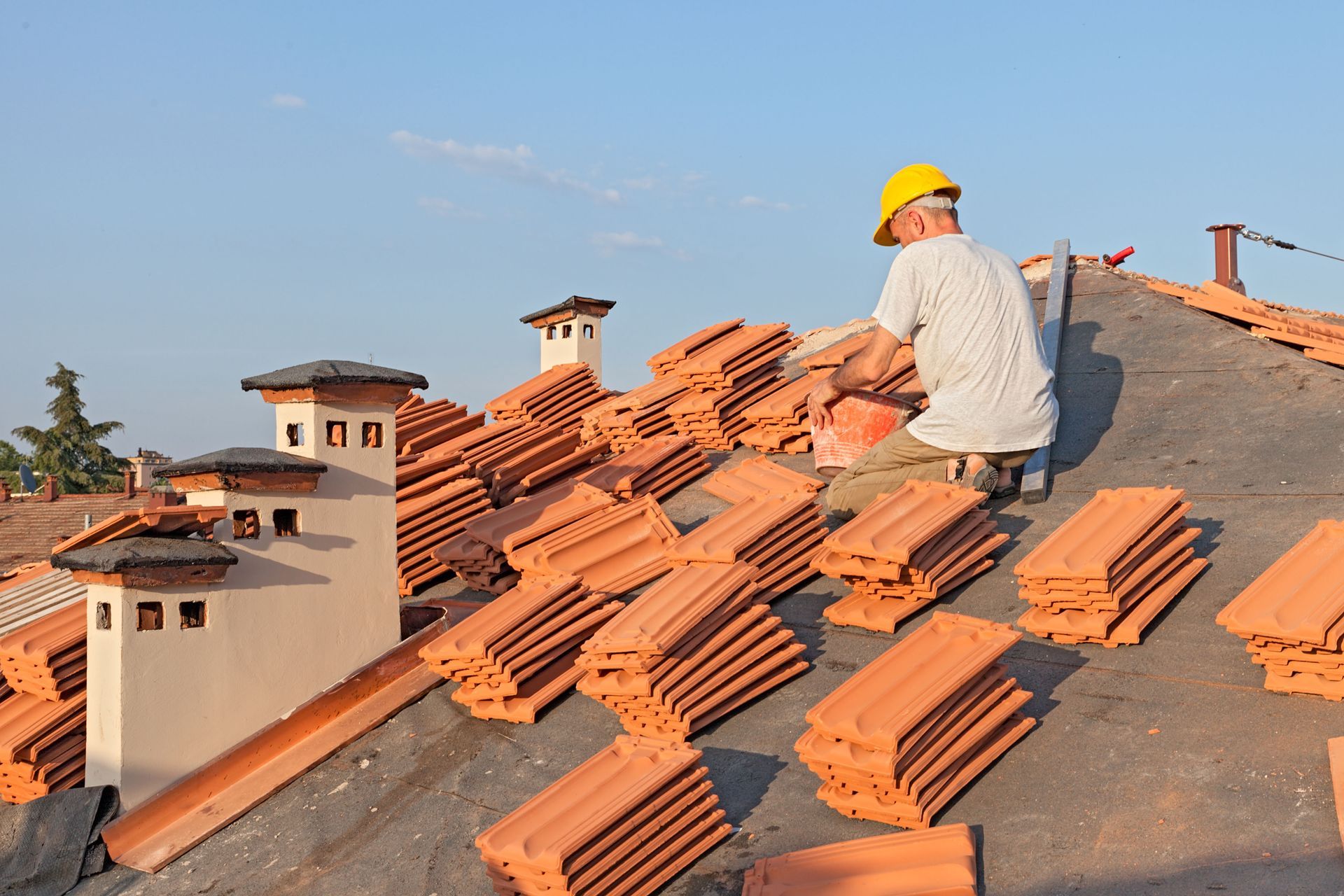
Metal panels offer superior durability and distinct aesthetic appeal. Steel and aluminum installations resist wind damage and shed snow with ease. These sleek systems reflect solar radiation, reducing interior cooling demands during summer months. The extended lifespan justifies the premium cost associated with the initial investment. Metal systems resist rot, mildew, and insect infestations. Homes situated in wildfire zones benefit from non-combustible metal panels.
Thermoplastic Polyolefin systems provide outstanding protection for flat or low-slope structures. Manufacturers engineer these single-ply membranes to reflect ultraviolet rays and reduce energy consumption. TPO materials resist chemical exposure, ozone degradation, and algae growth. Heat-welded seams create an impenetrable watertight bond across the entire surface. Commercial buildings utilize this material, yet modern residential architecture incorporates it for flat additions. The lightweight nature places minimal stress on the underlying structural framework.
Evaluating these three distinct materials helps property owners align their building needs with their financial boundaries. Each option demands specific installation techniques to ensure maximum weather resistance. Proper material selection minimizes future maintenance requirements and prevents premature material failure. Completing proper roof repairs on any of these systems demands precision and extensive trade knowledge. Property owners must weigh the initial cost against the projected lifespan of the chosen material. Informed decisions result in resilient overhead protection.
Evaluating Professional Contractor Skills
Complex home improvements require specialized knowledge and appropriate safety gear. Amateurs attempting structural restorations risk severe personal injury and property damage. Professional crews possess the training necessary to navigate steep pitches without danger. Working at elevated heights introduces inherent dangers requiring strict protocol adherence. Reputable tradespeople utilize fall protection systems and secure scaffolding. Hiring qualified labor protects homeowners from liability.
Validating business credentials separates legitimate enterprises from fly-by-night operations. Legitimate businesses maintain current state licenses and comprehensive insurance coverage. General liability policies protect the homeowner from property damage incurred during the project. Workers' compensation insurance covers crew injuries, shielding the property owner from lawsuits. Municipalities require licensed professionals to pull necessary building permits. Compliance with local building codes ensures structural integrity.
The contracting industry represents a massive sector of the national economy. The sheer volume of businesses operating requires homeowners to exercise due diligence. According to This Old House, the roofing contractors industry in the U.S. was expected to reach approximately $76.4 billion in revenue by the end of 2025. This massive growth attracts skilled tradesmen and unqualified individuals alike. Reviewing portfolios of completed local projects provides insight into contractor capabilities.
Client testimonials and references offer valuable perspectives on contractor reliability. Speaking with past clients reveals details about communication styles and punctuality. Reputable companies provide references without hesitation and showcase their successful installations. Observing completed jobs in the neighborhood confirms the quality of the workmanship. Good contractors maintain clean job sites and respect resident property. Proper execution of roof repairs depends on selecting the right team.
Managing Financial Project Costs
Financial preparation dictates the smooth progression of property improvements. Uncovering hidden damage during tear-down alters initial cost projections. Rotten decking or compromised flashing requires immediate replacement before installing new surface materials. Building a contingency fund into the project budget cushions against these unexpected discoveries. Honest contractors explain potential hidden costs during the initial consultation. Adequate funding ensures the project reaches completion without delays.
Obtaining multiple written estimates allows property owners to compare market rates. Detailed proposals break down costs for materials, labor, and waste disposal. Analyzing these line items highlights discrepancies between competing bids. Choosing the lowest bid results in subpar materials or rushed labor. Value lies in the balance between reasonable pricing and proven craftsmanship. Written agreements protect the homeowner and the service provider.
Storm damage qualifies for coverage under standard homeowner insurance policies. Navigating the claims process requires thorough documentation and clear communication with adjusters. Reputable contractors assist clients by providing detailed damage reports and photographic evidence. Insurance payouts mitigate the out-of-pocket expenses associated with storm-related devastation. Property owners must understand their deductibles and coverage limits. Coordinating with insurance representatives streamlines the restoration timeline.
Property improvements represent a substantial capital investment in the residence. Upgraded exterior materials increase overall property appraisal values and curb appeal. Potential buyers view a fresh overhead structure as a major selling point. Energy-efficient materials reduce monthly utility bills, providing ongoing financial returns. The initial expenditure translates into long-term savings and property equity. Funding essential roof repairs safeguards the financial value of the entire estate.
Shelter maintenance remains an unavoidable responsibility for property owners. Ignoring subtle degradation invites catastrophic damage and ballooning restoration costs. Regular inspections catch minor faults before they compromise the underlying framework. Understanding material choices empowers individuals to select appropriate defenses against local weather patterns. Vetting professionals ensures high-quality execution and limits homeowner liability. Executing necessary roof repairs protects the structural integrity of the home.
A robust exterior envelope guarantees comfort and security for the inhabitants inside. Residents sleep soundly knowing a solid structure stands against the elements. Proactive maintenance preserves the architectural beauty and structural health of the building. Homeownership requires dedication to ongoing upkeep and periodic restorations. Navigating the complexities of home improvement builds confidence in property management. The ultimate reward is a safe, resilient, and beautiful residence. At Empire Roofing and Construction, we are ready to safeguard your home against the elements. Contact us today to schedule your roof repairs before minor issues become major headaches.