March 24, 2026
Understanding the key factors that influence your roof's ability to protect your home is essential for homeowners. A well-maintained roof can safeguard your property from the elements, enhance energy efficiency, and increase curb appeal. Paying attention to early signs of damage and scheduling roof repair when needed can prevent small issues from turning into larger structural concerns. This article delves into the critical components that determine roof performance and longevity.
Material Selection
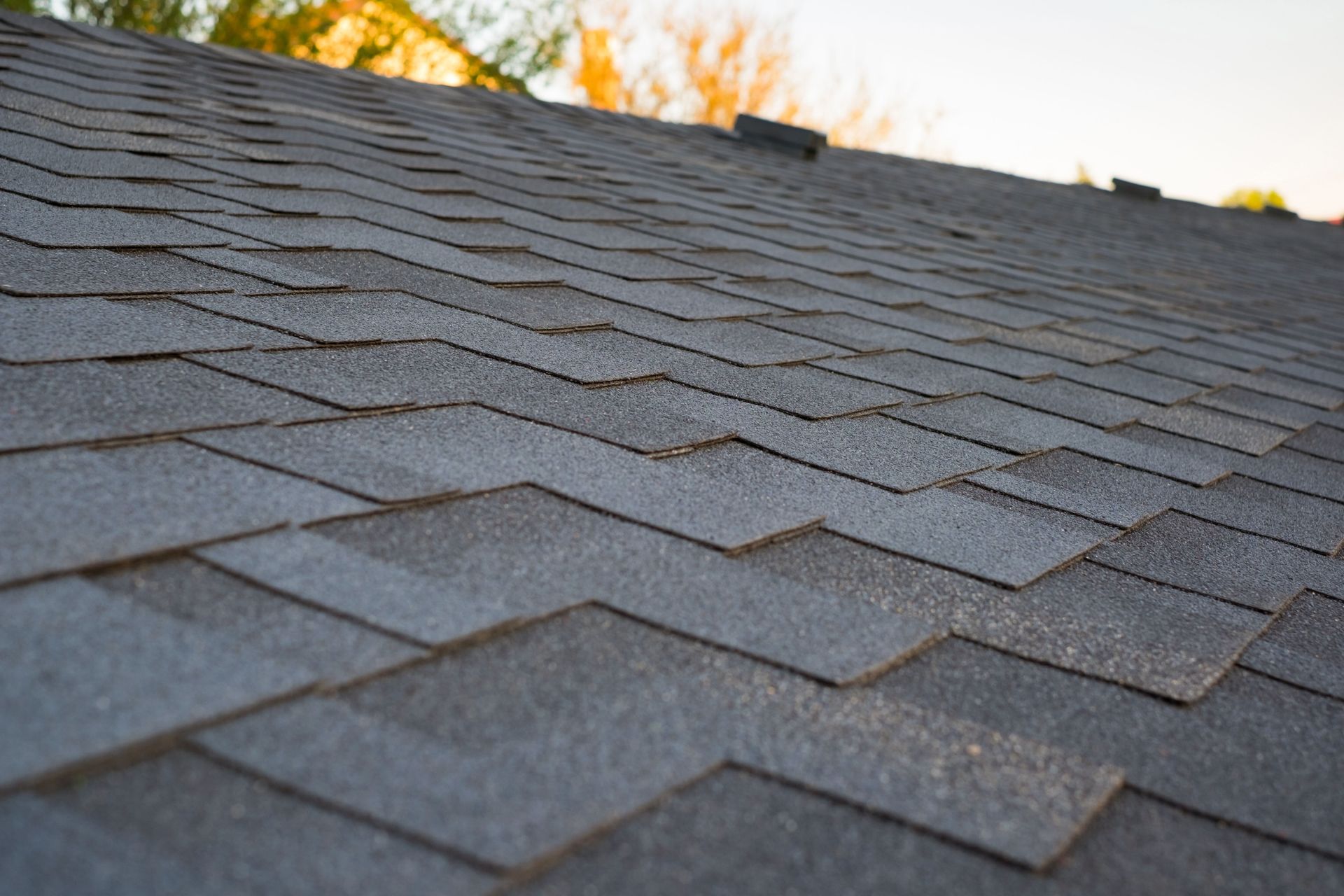
The choice of roofing material is crucial for determining a roof's performance. Different materials, such as asphalt shingles, metal, slate, and tile, have unique properties that affect durability and function. For instance, asphalt shingles are popular due to their cost-effectiveness and ease of installation, but their lifespan may vary significantly depending on factors like climate and maintenance. When materials begin to wear prematurely, homeowners may need roof repair to restore protection and prevent leaks.
Durability and lifespan vary greatly across roofing materials. According to Bob Villa, the average asphalt shingle roof lasts 20 to 30 years, depending on climate, ventilation, and maintenance. In contrast, materials like metal or slate can easily endure 50 years or more, offering increased longevity but often at a higher upfront cost. Choosing the right material from the beginning can reduce the likelihood of frequent roof repair over time.
Energy efficiency considerations are integral when selecting a roofing material. Different materials have varying degrees of thermal conductivity; for example, metal roofs can reflect more solar heat than asphalt, which might translate into lower energy bills. Additionally, some roofing options may offer improved insulation, enhancing the comfort of your home's interior environment and minimizing the need for ongoing roof repair caused by temperature-related expansion and contraction.
Roof Design and Pitch
Roof design and pitch play critical roles in a roof's effectiveness and longevity. A well-designed roof can enhance a home's architectural appeal, ensure adequate water drainage, and improve its resistance to adverse weather conditions. The pitch can influence how well the roof sheds water and debris, reducing the risk of water accumulation that can cause leaks and eventually require roof repair.
Determining the optimal roof pitch involves considering factors like the local climate and intended aesthetic design. For instance, steeper roofs are often better suited to areas with high rainfall or snow, as they promote efficient water runoff. Conversely, a low-slope roof may be more appropriate for desert climates, where rainfall is minimal, but periodic roof repair may still be necessary due to sun exposure and material wear.
The integration of ventilation and airflow systems in roof design can also impact overall performance. Effective ventilation prevents heat and moisture build-up in the attic, reducing the risk of mold and material degradation. Without proper airflow, trapped moisture may lead to structural damage that requires professional roof repair to correct.
Installation Quality
The quality of roof installation is just as pivotal as material selection and design. Choosing professional roof installers helps confirm that all components are correctly aligned and fastened, minimizing the risks of premature failure. Proper installation significantly reduces the chances of needing early roof repair due to preventable mistakes.
Common installation mistakes can significantly compromise a roof's protective function. Errors such as incorrect shingle alignment or underestimating necessary ventilation can lead to severe structural issues over time. These problems often surface months or years later and may result in costly roof repair if not addressed early.
Quality control and thorough inspections during and post-installation help identify and address potential problems. Adhering to local building codes and securing appropriate warranties provides peace of mind and safeguards your investment. If issues arise during the warranty period, roof repair services may be covered depending on the terms.
Maintenance and Upkeep
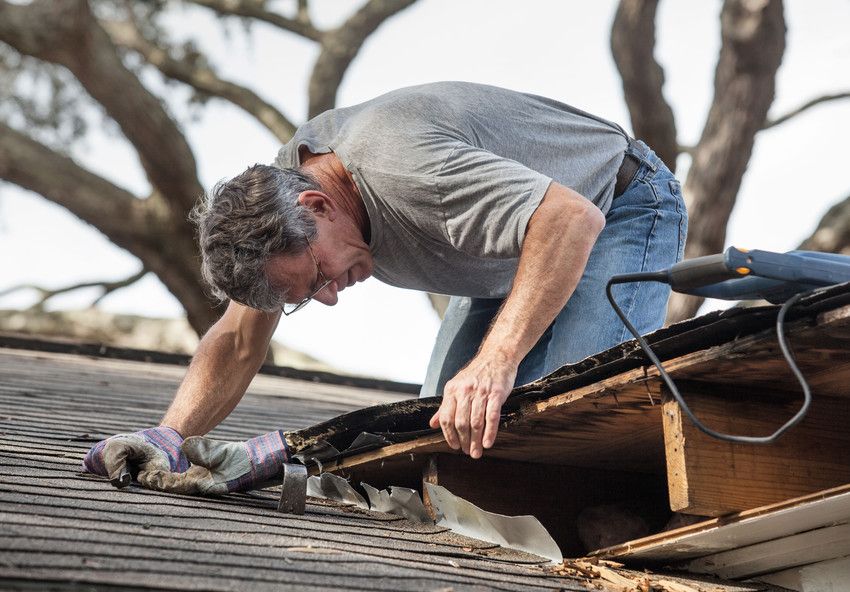
Regular roof maintenance and upkeep are fundamental in extending its lifespan and keeping it a strong shield for your home. Inspections should be conducted biannually to spot worn, damaged, or missing materials that could compromise performance. Identifying small problems early often prevents the need for extensive roof repair later.
Cleaning gutters and downspouts is essential in maintaining a functioning roofing drainage system. Blockages can cause water to back up, leading to deterioration of roofing materials and potential interior water damage. Preventive maintenance like this can reduce the frequency of roof repair caused by water-related damage.
Long-term maintenance planning involves more than reactive measures. Proactively replacing damaged shingles and confirming proper ventilation can mitigate many common roofing issues. Implementing an organized maintenance schedule, including professional check-ups, helps catch minor problems early and minimizes the need for major roof repair.
Weather and Environmental Factors
The impact of local climate on a roof is a critical consideration in determining its material and design. Harsh weather conditions, such as hail, high winds, or extreme temperatures, can degrade roofing materials faster than expected. These environmental pressures often contribute to the need for periodic roof repair throughout the life of the structure.
Severe weather preparedness requires understanding a roof's resistance to various stressors. For regions prone to hurricanes or tornadoes, reinforcing roof structures to withstand powerful gusts is prudent. Without reinforcement, these conditions can cause structural damage that requires immediate roof repair.
In areas susceptible to moss or algae growth, periodic treatments or selecting algae-resistant materials can be protective measures. Coastal regions also need special consideration due to salt and humidity impacts on materials. Routine inspections and occasional roof repair help protect the roof from long-term environmental damage.
Energy Efficiency and Insulation
The role of insulation in a roof’s energy efficiency cannot be overstated. Proper insulation helps maintain desired indoor temperatures, reducing heat gain during the summer and heat loss in the winter. When insulation or ventilation issues occur, they can contribute to moisture buildup that may eventually lead to roof repair needs.
Reflective roofing materials can also enhance energy efficiency by reducing the need for air conditioning. These materials reflect more sunlight and absorb less heat, making them ideal for hot climates. However, poor installation or damaged reflective coatings may still require roof repair to maintain performance.
Roof Age and Structural Integrity
The age of your roof plays a significant role in how well it protects your home. Even the most durable roofing materials eventually experience wear due to years of exposure to sun, wind, rain, and temperature fluctuations. As a roof ages, materials can become brittle, lose their protective granules, or develop small cracks. These changes gradually reduce the roof’s ability to resist water intrusion and other environmental stressors.
Older roofs are also more likely to require roof repair because fasteners loosen, flashing deteriorates, and sealants begin to break down over time. While routine inspections can catch these problems early, ignoring the natural aging process of roofing materials can lead to leaks or structural damage. Homeowners who stay aware of their roof’s age are often better prepared to schedule maintenance or roof repair before small issues escalate.
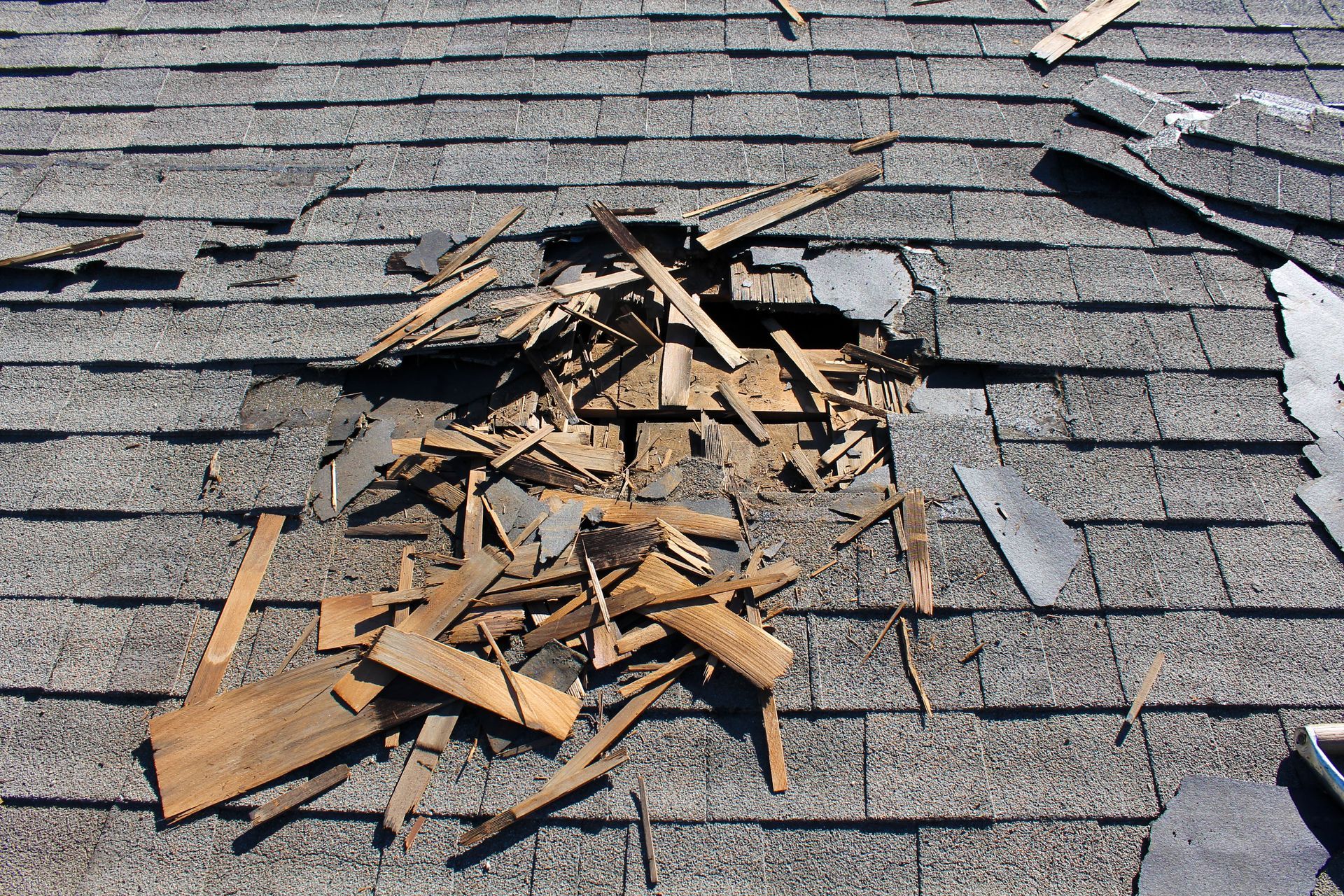
Structural integrity also depends on the condition of the decking beneath the roofing materials. If moisture infiltrates through damaged shingles or flashing, the wooden decking can begin to rot or weaken. Once this occurs, roof repair may involve more than simply replacing surface materials—it may require reinforcing or replacing sections of the roof structure. Addressing these problems early helps maintain the roof’s strength and stability.
A roof does more than merely cover your home; it protects everything within it from the harsh external environment. By understanding these key factors — from material selection and design to installation quality and maintenance — homeowners can make informed decisions that keep their roofing system performing well. Taking action quickly when problems arise and investing in timely roof repair can help maintain a durable, efficient, and protective barrier over your home for many years. Call Empire Roofing and Construction today for more.