June 2, 2026
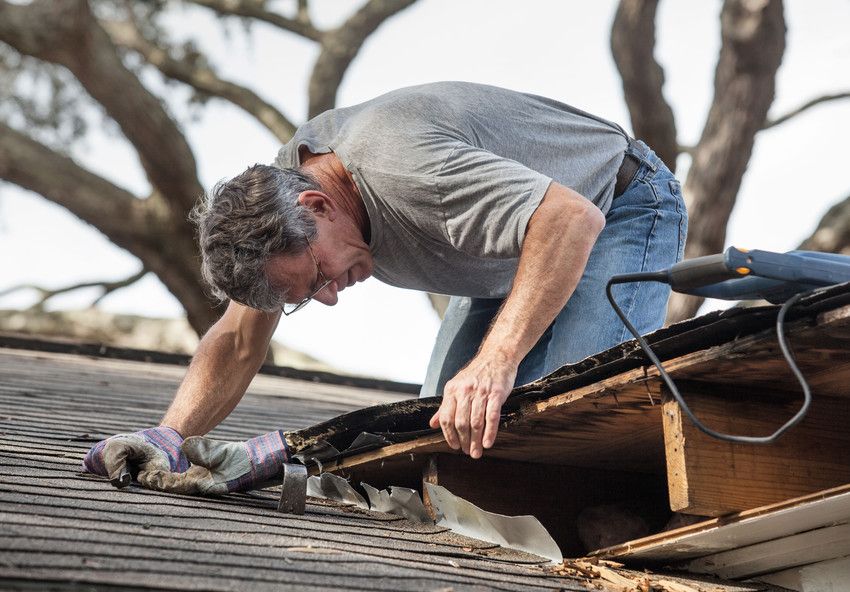
Severe weather conditions can leave behind significant damage to your roof that isn’t always immediately visible. Identifying and addressing these hidden signs of storm damage is crucial for maintaining the structural integrity of your home. According to This Old House, you should have your roof inspected once a year or after any extreme weather event. This fact highlights the importance of having professionals take a closer look. This article will guide you through the common, yet often overlooked, indicators of major storm damage on your roof.
Shingle Damage
Curling and Buckling
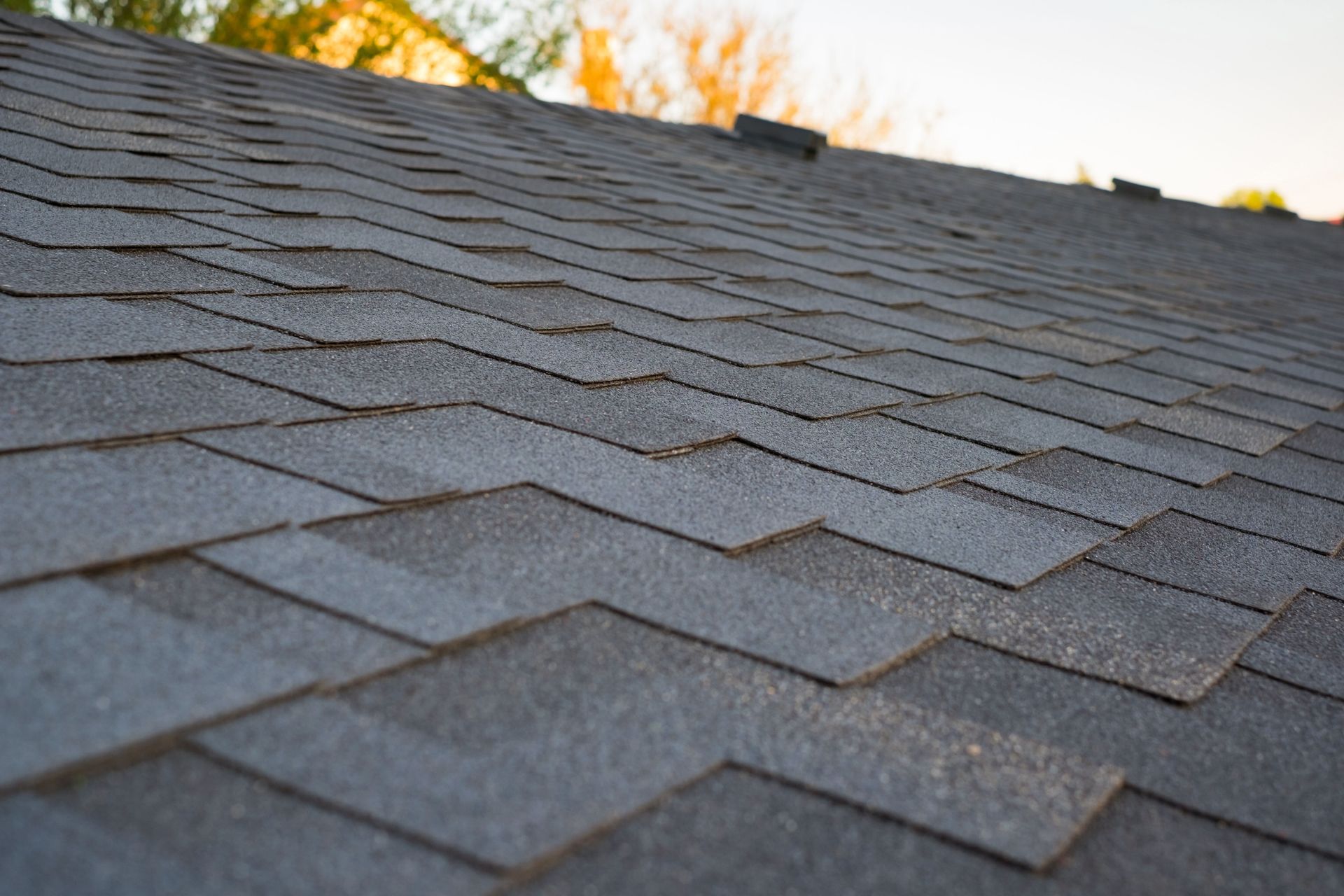
Shingle damage is a pervasive issue often underestimated by homeowners after a storm. Curling and buckling are signs that shingles have not only aged but also been subjected to severe stress. High winds can catch the edges of the shingles, causing them to lift. This lifting compromises the protective sealant, allowing moisture and other elements to enter underneath. Early detection of curling and buckling shingles can prevent future leaks and more extensive roof damage.
Curling or buckling shingles often indicates that the roof's structural integrity has been compromised. It’s essential to take immediate action when these signs are visible. The vulnerability becomes a gateway for future weather attacks, especially in areas prone to heavy rainfall or snowfall. Homeowners should perform regular visual inspections, noting any unusual curling patterns that develop after a storm. Consult with a professional roofer for a comprehensive assessment if significant curling is detected.
Granule Loss
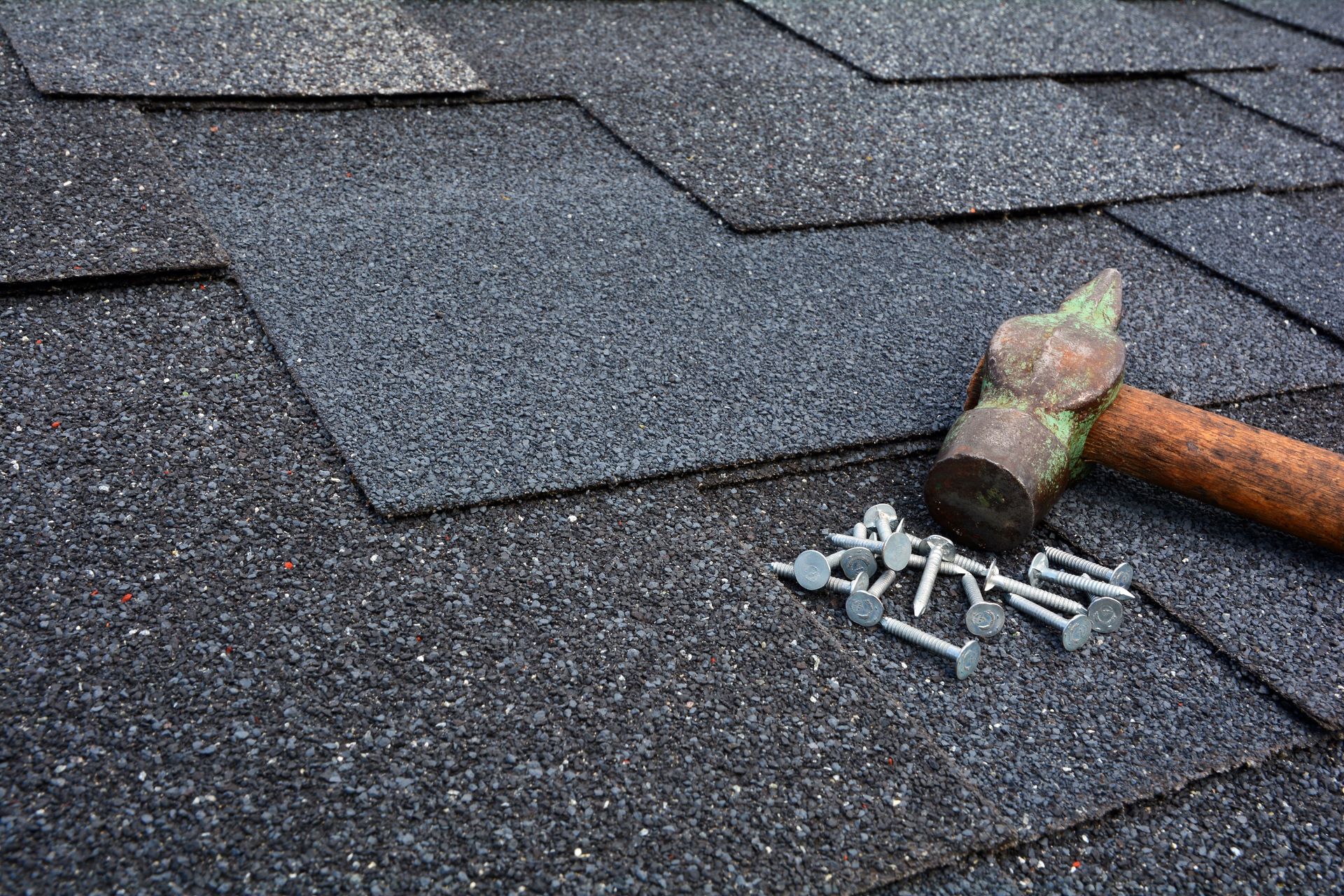
Granules on shingles play a critical role in protecting the asphalt layer and reducing sun exposure. Heavy rains and hailstorms often dislodge these granules, accelerating the rate of roof wear. Granule loss might seem minor, but it can severely reduce the lifespan of a roof. Homeowners might notice increased granule deposits collecting within gutters or on the ground. These signals shouldn't be underestimated, as they can signify larger, unseen problems brewing.
Granule depletion leaves shingles more susceptible to UV degradation and moisture penetration. Both factors contribute to premature aging of roofing materials and potential structural compromise. A useful tactic for homeowners is routinely checking gutter systems for abnormal granule accumulation. Such diligent observation allows for timely interventions, preserving the health and efficiency of the roofing system. Regular roof maintenance helps delay the need for costly replacements.
Discoloration
After severe weather, discoloration in shingles hints at water retention and material breakdown. These color variations or dark patches indicate where excess moisture has been absorbed. Discoloration represents early warning signs of potential weaknesses in the roofing system. Regular monitoring post-weather events helps identify and rectify these telltale signs efficiently.
Aside from aesthetic reductions, discolored shingles decrease property value if left untreated. The perception of neglect suggests unreliability, deterring potential buyers or renters. From an energy efficiency perspective, compromised shingles diminish reflective properties, leading to increased heat absorption and higher energy costs. To combat this, encourage routine assessments after storms, ensuring longevity and consistent energy performance. Preventive maintenance retains home aesthetics and functionality.
Flashing Problems
Loose Flashing
Flashing forms an essential waterproof barrier at roof intersections, typically around chimneys and skylights. Storm-related forces like wind and debris can loosen flashing, undermining its protection. When flashing becomes detached, it invites water to penetrate where different roof sections meet. This infiltration jeopardizes the structural safety of the roof and internal components.
Loose flashing can also occur due to improper installation in conjunction with powerful storm impacts. Over time, these installations weaken even further when repeatedly tested against nature's elements. Addressing dislodged flashing quickly prevents far-reaching consequences such as leaks, mold, and interior water stains. Timely interventions, hence, preserve foundational integrity and overall quality of home life. Maintaining vigilance over roofing components enhances enduring structural reliability.
Corroded Flashing
Often fabricated from metals such as aluminum or galvanized steel, flashing is susceptible to corrosion over time. Rust and corrosion weaken its ability to redirect water safely off the roof, posing significant structural risks. Corroded flashing hints at underlying inefficiencies that need addressing to avoid larger structural issues. Prioritizing periodic checks after storms highlights areas requiring immediate intervention.
Once corrosion takes hold, it deteriorates flashing to the point that replacement becomes inevitable. Overlooking early signs can culminate in extensive roof repairs if water seeps into the house's walls and framing. The best approach involves proactively detecting corrosion early, significantly mitigating future repair expenses. Equally critical is ensuring the installation and replacement use materials resistant to corrosion. Keeping corrosion at bay fortifies the home against long-term exposure.
Poor Installation Revealed
Storms have an uncanny ability to reveal errors stemming from poor flashing installation practices. Insufficient or flawed setups become apparent under extreme weather, resulting in dislodged or leaking flashing. Often overlooked, these flaws set the stage for water entry and varied internal damage following severe conditions. Addressing these shortcomings promptly can prevent compounding damage to other home areas. They serve as cautionary examples for homeowners, underlining the importance of using qualified professionals in the installation process.
Poorly installed flashing can go unnoticed, linger, and accrue risks each time weather phenomena occur. Highlighting and correcting the installation defects minimizes water ingress potential during future weather turmoil. This strategic oversight fosters seamless roof repair actions when assistance is rendered by capable roofing specialists. Proactivity in response maintains the operational integrity of homesteads.
Water Stains and Leaking
Ceiling Moisture Spots
After a major storm, spotting brown or yellow stains on ceilings is a common sign of a leaking roof. These stains suggest water seeping through the roofing material and into the home interiors. Acting swiftly on these red flags prevents larger issues like rot, mold, or mildew from taking root. Homeowners should view moisture spots not as nuisances, but as cues for immediate investigation and rectification.
The presence of moisture spots often reveals underlying roof vulnerabilities, warranting professional assessment. Competent roofing specialists examine and diagnose the source, applying targeted remediation to halt further water penetration. Addressing stains promptly enhances ceiling lifespan and aesthetic appeal, thereby preserving property value. Swift responses uphold security and comfort within the domestic setting.
Mold and Mildew Growth
Unchecked leaks foster conditions conducive to mold and mildew growth within roof spaces. Moisture trapped after storms cultivates environments perfect for such organisms to thrive, causing health risks and compromising material longevity. Mold not only spreads quickly but also affects indoor air quality, posing respiratory challenges for occupants. Beyond health concerns, mold-infested areas suffer structural weakening, escalating roof repair and replacement needs. Early detection and remedial action avert the severity of these issues, safeguarding better living standards.
Mold presents inherent dangers to health and the well-being of property assets once it permeates roof systems. Addressing outbreaks requires deliberate assessment to engage appropriate cleaning and restoration tactics. Removing moisture origins effectively halts mold progression, reinforcing both structural health and hygienic conditions. Property resiliency thrives through the combined efforts of proper ventilation and timely roof repairs. A strategic focus on prevention curtails mold sprawl, guaranteeing comprehensive household safety.
Dripping Sounds During Rain
Hearing drips during a rainstorm is often indicative of noticeable leaks within one's roof. These audible signs frequently accompany unseen breaches permitting water intrusion. Locating and sealing such pathways ensures vitality for both roofs and interiors. Quick resolution mitigates ensuing complications from untreated leaks, reaffirming structural endurance.
Besides the risks posed, dripping sounds create psychological stress over potential damage implications. Thus, they merit concerted efforts in detection and rectification to bridge identified gaps. Reliably tracing leaks stabilizes homes against persistent water intrusions, preserving inner harmony. Partnering with roofing specialists simplifies the troubleshooting process, pinpointing exact sources without speculation. Prompt responses align with best practices, casting a guarantee for an actionable resolution.
Recognizing the hidden signs of storm damage on your roof is essential to protecting your home from long-term structural issues and costly roof repair. From subtle shingle damage and granule loss to compromised flashing and interior warning signs like water stains or mold growth, each indicator plays a critical role in revealing the overall health of your roofing system. While some damage may appear minor at first glance, ignoring these early warnings can lead to more severe consequences over time. Taking a proactive approach through regular inspections, timely maintenance, and professional evaluations can significantly extend the life of your roof and safeguard your home’s interior. To have your roof inspected for damage or repaired after a severe storm, reach out to the pros at Empire Roofing and Construction today.